
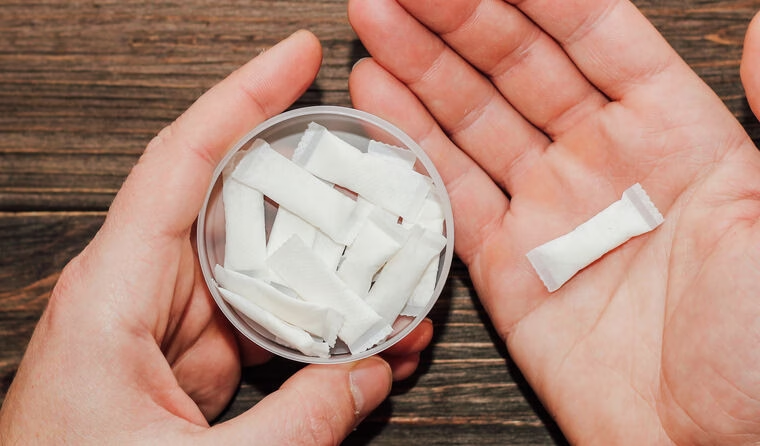
They’re small, discreet and easy to conceal. Nicotine pouches are emerging as another concern for Australian schools, and unlike vaping, there’s no smoke, vapour or noticeable smell to alert teachers to their use.
As schools continue to tackle teenage vaping, another nicotine product is attracting attention among young Australians: nicotine pouches.
Often marketed as a smoke-free alternative to cigarettes and vapes, these small flavoured pouches can contain high levels of nicotine and carry a significant risk of addiction.
Research and reporting from Cancer Council NSW have highlighted concerns about nicotine pouch use among young Australians, including the misconception that switching from vaping to nicotine pouches means giving up nicotine.
For teachers, understanding what these products look like, how students may be using them and where they’re coming from is an important part of supporting student health and wellbeing.
What are nicotine pouches, and what do they look like?
Nicotine pouches are small, white sachets that look similar to miniature teabags. They contain nicotine, flavourings and other ingredients, but no tobacco leaf.
Users place a pouch between their upper lip and gum, where nicotine is absorbed through the lining of the mouth.
They are commonly sold in small, round plastic containers that can easily fit into a pocket, pencil case or school bag. Packaging is often brightly coloured, with flavours such as mint, berry and citrus that may appeal to young people.
Unlike cigarettes or vapes, nicotine pouches don’t produce smoke or vapour. This makes them particularly difficult to detect in school environments.
However, discreet doesn’t mean harmless.
According to Australia’s Therapeutic Goods Administration (TGA), nicotine pouches can contain high and inconsistent levels of nicotine. Their long-term health effects remain uncertain, and potential risks include nicotine dependence, nausea, mouth lesions and dental damage. Nicotine exposure during adolescence can also affect brain development, memory and learning. (Source)
How can teachers tell if students are using nicotine pouches?
One of the biggest challenges for schools is that students can use nicotine pouches without leaving the classroom or attracting attention.
Unlike vaping, there’s no device, visible cloud or distinctive smell.
While it’s not always possible to identify nicotine pouch use through behaviour alone, there are several signs teachers may notice.
- Small containers or sachets: Round plastic tins, loose white pouches or discarded sachets in classrooms, playgrounds or bathrooms.
- Repeated lip or mouth movements: Students may frequently adjust something beneath their upper lip or appear to have a small bulge along their gumline.
- Physical symptoms: Nausea, dizziness, headaches or mouth irritation may occur after nicotine exposure.
- Changes in behaviour: Students experiencing nicotine withdrawal may become irritable, restless or distracted, although these symptoms can have many other causes.
Importantly, none of these signs on its own confirms that a student is using nicotine pouches.
Teachers should approach any concerns with curiosity and care rather than making assumptions.
Where are students buying nicotine pouches?
Despite Australia’s strict regulations, nicotine pouches have been promoted to young people through online platforms and social media.
Potential sources of unlawful supply include online sellers, social media contacts, informal peer-to-peer sales and retailers operating outside Australian law.
Social media is a particular concern. Products may be promoted through lifestyle videos and imagery, appealing flavours and claims that they offer a cleaner or more convenient alternative to vaping.
The TGA has identified increasing unlawful advertising and sales, with many products imported from overseas.
What does Australian law say?
Since 24 July 2026, consumers have had no lawful pathway to purchase or personally import nicotine pouches in Australia. Retail sales, including online sales, are illegal, and nicotine pouches cannot be prescribed or supplied by pharmacies.
The TGA has not approved any nicotine pouch products for sale in Australia. (Source)
For schools, this reinforces the importance of helping students understand that online availability doesn’t mean a product is legal or safe.
Why are nicotine pouches a concern for young people?
Nicotine is highly addictive, particularly for adolescents whose brains are still developing.
Some young people may see nicotine pouches as a healthier substitute for vaping because they don’t involve inhaling vapour. However, replacing one nicotine product with another can maintain or increase nicotine dependence rather than resolve it.
There are also concerns about the way these products are marketed. Flavours, colourful packaging and messaging around convenience or performance can make nicotine pouches seem less harmful than they are.
The TGA warns that some products contain inaccurately labelled nicotine levels and may include unknown contaminants.
This makes prevention education particularly important. Students need accurate information about nicotine, the ability to recognise misleading marketing and practical strategies for responding to peer pressure.
3 top tips for teachers: What to look out for
- Know what the products look like and the law
Familiarise yourself with the small white sachets and round, colourful containers. Keep an eye out for discarded pouches or unfamiliar packaging around classrooms, bathrooms and playgrounds.
- Be aware of subtle signs
Watch for repeated movements around the upper lip, unexplained mouth irritation or students complaining of nausea or dizziness. Remember, these signs don’t necessarily indicate nicotine use, so avoid jumping to conclusions.
- Start conversations, not confrontations
Create opportunities to discuss nicotine products, social media marketing and peer pressure. Ask students what they’ve heard about nicotine pouches and address misconceptions with accurate, age-appropriate information. If you’re concerned about a student, involve your school’s wellbeing team and offer support rather than relying on punishment alone.
Education is key to prevention
As new nicotine products emerge, schools play an important role in helping young people separate marketing claims from scientific evidence.
OurFutures supports schools with evidence-based prevention education designed to equip students with the knowledge, confidence and practical skills to make informed decisions about their health.
Our OurFutures Vaping Prevention Program is designed for Years 7 and 8 and uses relatable cartoon stories, interactive activities and classroom discussions to help students understand nicotine-related risks, challenge misinformation and develop refusal skills.
While the program focuses on vaping rather than nicotine pouches specifically, these broader prevention skills can help students navigate conversations about emerging nicotine products.
Learn more about the OurFutures Vaping Prevention Program and how your school can take a proactive approach to nicotine prevention.
Additional resources:
- Positive Choices Webinar
- Factsheet for young people
- Factsheet for parents and carers
- Factsheet for teachers
Sources and further reading
- Cancer Council NSW – The rise of nicotine pouches amongst young Australians (4 March 2025). The Generation Vape research explores young people’s perceptions of nicotine pouches, including their use as alternatives to vaping and claims about sporting performance.
- Therapeutic Goods Administration – Nicotine pouches (updated 17 July 2026). Australian regulations, health risks and legal restrictions.
- Therapeutic Goods Administration (TGA) (updated 17 July 2026). New regulations strengthen controls on nicotine pouches
Editorial note: The available Australian research provides early insights into young people’s attitudes and access to nicotine pouches, but does not establish how widespread use is among school students or which purchasing channels are most common. The behavioural signs above are practical indicators, not validated screening criteria.